
NATO air and missile defense assets intercepted a second ballistic missile launched from Iran after it entered Turkish airspace on Monday, Turkish authorities said, as Washington ordered non-emergency U.S. government personnel and their families to leave its consulate in Adana and urged American citizens in southeast Turkey to depart.
Turkey’s Defense Ministry said the projectile was “neutralized” by NATO systems deployed in the eastern Mediterranean, marking the second such interception involving Turkish airspace in five days. NATO later confirmed the incident and said the alliance remained ready to defend all allies against any threat.
The latest incident comes amid widening regional fallout from hostilities that began on February 28 between the United States, Israel and Iran. Since then, the U.S. State Department has cited an increased threat of Iranian missile attacks in southeast Turkey, and its updated travel advisory now says Americans in the region are “strongly encouraged to depart now.” The advisory also says the U.S. Consulate in Adana has suspended consular services.
The U.S. mission’s move underscored growing concern around southern Turkey, where Adana lies near İncirlik Air Base, a long-standing facility used by U.S. forces and NATO missions. In its advisory, Washington said non-emergency U.S. government employees and eligible family members were ordered out of Adana on March 9 because of safety risks.
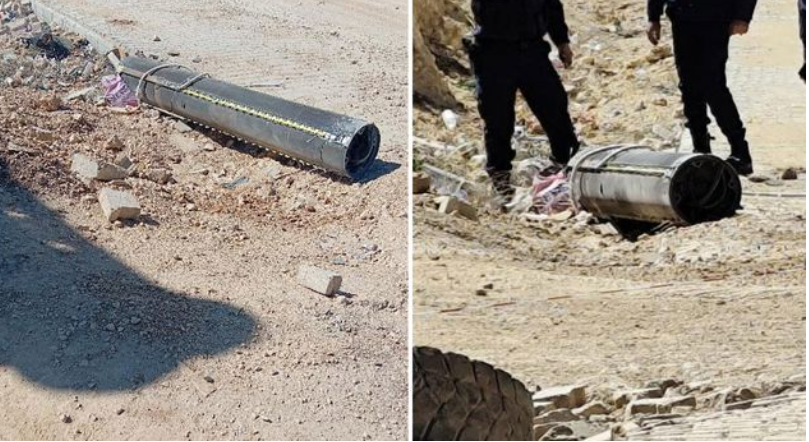
Turkish officials said fragments from the intercepted missile fell in an open area near the Güneyşehir district of Gaziantep province, with no casualties reported. Local authorities said the debris landed near a TOKİ housing development area and caused no injuries or significant damage. Images circulated by local media appeared to show a large fragment lying on a construction site.
A previous missile launched from Iran was intercepted on March 4 before reaching Turkish territory, prompting NATO to strengthen its ballistic missile defense posture around Turkey, according to media reports citing alliance and national officials. Spain’s defense minister said Spanish troops operating a Patriot battery in Turkey had helped detect that earlier threat, though she said they were not the unit that carried out the interception itself.
In a statement posted after Monday’s incident, Turkish presidential communications chief Burhanettin Duran said Turkey would continue to protect its airspace and border security, while warning all sides, especially Iran, against steps that could endanger civilians and regional stability