
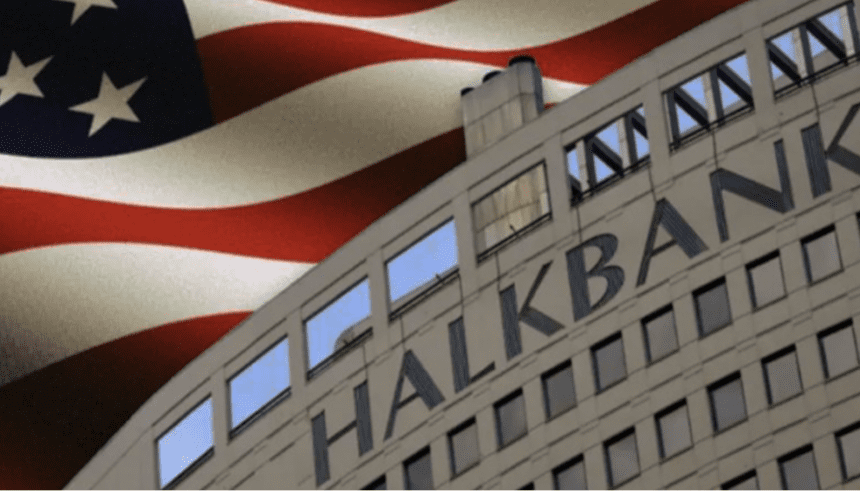
The United States and Turkey’s state-owned lender Halkbank have reached a deferred prosecution agreement in a long-running criminal case centered on allegations that the bank helped Iran evade US sanctions. The agreement, filed in Manhattan federal court, would pause the prosecution and pave the way for the charges to be dismissed if Halkbank complies with the conditions set out in the deal.
In a letter to US District Judge Richard Berman, Manhattan US Attorney Jay Clayton said the Justice Department believed the agreement was “in the best interests of the United States.” He said the deal advanced Washington’s efforts to combat terrorist financing and financial support for Iran, and described the national security and foreign policy interests served by the agreement as “unique and extraordinary.” Clayton also referred to Turkish diplomatic efforts that helped facilitate the release of Israeli hostages in Gaza and a 2025 ceasefire in the enclave.
Under the agreement, Halkbank is barred from conducting or facilitating transactions that benefit Iran and must retain an outside expert or monitor to review its sanctions and anti-money-laundering controls. Reuters reported that no money will change hands under the arrangement. Halkbank, in a statement disclosed through Türkiye’s Public Disclosure Platform, said it would not admit criminal wrongdoing and would not pay judicial or administrative fines. The bank also said the Treasury Department’s Office of Foreign Assets Control had informed it that its separate administrative review was being closed without further action.
A report from the outside reviewer is to be submitted to OFAC and to prosecutors. After that process is completed, Halkbank and the US Attorney’s Office are expected to jointly request dismissal of the case. Judge Berman said the matter would be taken up at a previously scheduled March 11 hearing.
US prosecutors charged Halkbank in 2019 with fraud, money laundering and conspiracy, accusing the bank of participating in a scheme that allegedly helped Iran move roughly $20 billion in restricted funds through money servicers, front companies and disguised transactions in Iran, Turkey and the United Arab Emirates. Prosecutors said the scheme allowed Iran to convert oil revenues into gold and cash and used fake food shipments to justify transfers of oil proceeds. Halkbank pleaded not guilty and denied wrongdoing.
The case became one of the most politically sensitive disputes between Ankara and Washington and survived multiple legal challenges. In 2023, the US Supreme Court rejected Halkbank’s argument that it was shielded from prosecution under the Foreign Sovereign Immunities Act, while sending the case back for further review of its common-law immunity claim. After a federal appeals court ruled against the bank, the Supreme Court in October 2025 declined to hear a further appeal, allowing the prosecution to proceed.
If Halkbank fulfills the terms of the deferred prosecution agreement, the case is expected to be dismissed, effectively ending a legal battle that has shadowed US-Turkey relations for years. The settlement would also remove a major source of uncertainty for the bank, which said the outcome could improve its access to international funding, correspondent banking networks and global financial markets.