

Turkey said on Monday that NATO air and missile defense systems intercepted a ballistic missile launched from Iran after it entered Turkish airspace, in what Ankara described as the fourth such incident since the U.S.-Israeli war on Iran began on February 28. The interception highlighted the growing risk that the regional conflict could spill further into the territory of neighboring states, including NATO members.
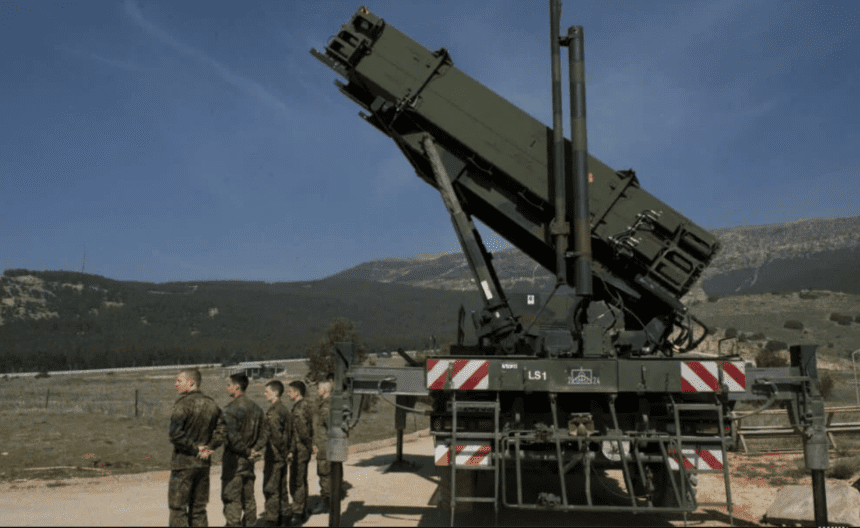
In a statement, Turkey’s Defense Ministry said the projectile had been identified as a ballistic munition fired from Iran and was neutralized by NATO assets deployed in the eastern Mediterranean. The ministry said Turkey was taking all necessary steps against threats to its territory and airspace and was continuing to monitor developments closely. NATO separately confirmed that the alliance had intercepted a missile heading toward Turkey and said it remained prepared to defend all allies.
Turkish authorities did not say where the missile was ultimately headed, and there was no immediate indication of casualties or damage from the latest incident. The latest interception nonetheless reinforced Ankara’s warning that any direct threat to Turkish territory would be met decisively, even as the government continues to avoid positioning itself as a direct party to the war.
Iran did not immediately comment on Monday’s interception. Tehran has previously denied deliberately targeting Turkey during the conflict and has said it was not responsible for the three earlier missiles that were also shot down by NATO defenses. Ankara, however, has publicly said it has proof that the incoming munitions originated in Iran and has already protested earlier incidents to Tehran.
The repeated interceptions have placed Turkey in an increasingly sensitive position. As Iran’s neighbor and a NATO member with the alliance’s second-largest military, Turkey sits near key conflict corridors and hosts major strategic facilities, including Incirlik Air Base in Adana province and the NATO radar station at Kurecik in Malatya province, where U.S. personnel are also stationed.