
DAMASCUS/ALEPPO — Syrian government forces and the Kurdish-led Syrian Democratic Forces (SDF) issued ceasefire instructions on Monday, Dec. 22, after deadly clashes and shelling in Aleppo’s Kurdish-majority Sheikh Maqsoud and Ashrafiyah neighborhoods—violence that erupted as Turkey’s top diplomat urged the SDF to integrate into Syria’s national army.
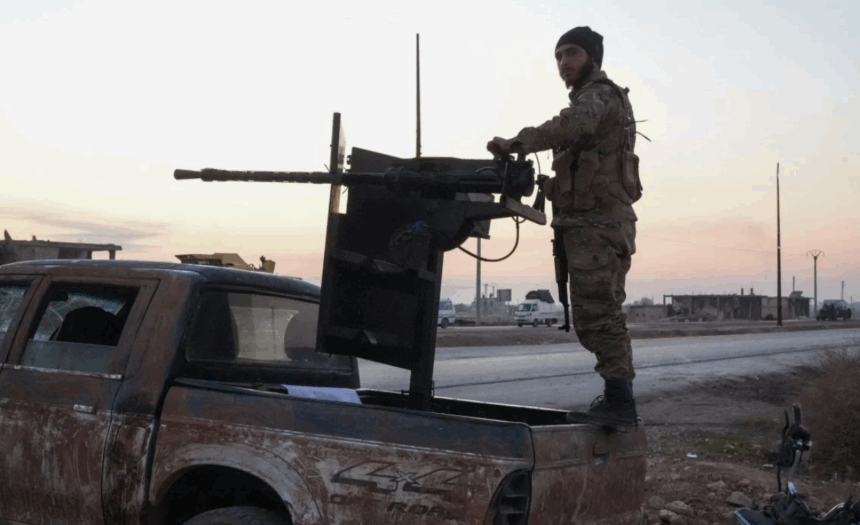
Syria’s Defence Ministry said the army’s general staff ordered units to stop targeting “sources of fire,” while the SDF said it had instructed its forces to cease responding to attacks. At least two civilians were killed and others wounded, according to Reuters; both sides traded blame over who started the fighting.
State media said SDF shelling struck Aleppo districts, while the SDF said government-linked factions fired rockets and tank shells into the two neighborhoods, hitting civilians. The districts have remained under Kurdish-linked control despite earlier disengagement arrangements, making them a recurring flashpoint between Damascus and the SDF.
The clashes came as pressure mounts to implement a March 10 framework agreement between Syria’s transitional leadership and the SDF to fold the group’s civil and military structures into state institutions by the end of 2025—a process bogged down by disputes over command, deployments and the future of the SDF’s chain of command.
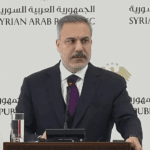
Hours earlier in Damascus, Turkish Foreign Minister Hakan Fidan—appearing alongside Syrian Foreign Minister Asaad Hassan al-Shaibani after talks with transitional President Ahmed al-Sharaa—said the SDF had shown little intention of making progress on integration. He also alleged that some SDF activities were being coordinated with Israel, calling it a major obstacle to negotiations, but offered no details.
Syrian officials said they were reviewing an SDF response to a Defence Ministry proposal on the military “dimension” of integration. Reuters reported Damascus has floated a plan that would reorganize SDF fighters into three divisions under a Syrian army structure—one of several models under discussion as mediators push to finalize terms before year-end.
Turkey—one of the new Syrian leadership’s closest external backers—frames the SDF as a border security threat, arguing the force is dominated by the YPG, which Ankara says is tied to the PKK. In a TRT World interview last week, Fidan said Ankara preferred dialogue and did not want a new operation, but warned that “patience” was running out as implementation of the March deal stalled.
The SDF, meanwhile, remains a key U.S. partner against Islamic State remnants, leaving Damascus, Ankara and Washington with competing priorities as Syria’s post-Assad order takes shape—an uneasy backdrop that Monday’s Aleppo flare-up again exposed.
Syria’s Defence Ministry said the army’s general staff ordered units to stop targeting “sources of fire,” while the SDF said it had instructed its forces to cease responding to attacks. At least two civilians were killed and others wounded, according to Reuters; both sides traded blame over who started the fighting.
State media said SDF shelling struck Aleppo districts, while the SDF said government-linked factions fired rockets and tank shells into the two neighborhoods, hitting civilians. The districts have remained under Kurdish-linked control despite earlier disengagement arrangements, making them a recurring flashpoint between Damascus and the SDF.
The clashes came as pressure mounts to implement a March 10 framework agreement between Syria’s transitional leadership and the SDF to fold the group’s civil and military structures into state institutions by the end of 2025—a process bogged down by disputes over command, deployments and the future of the SDF’s chain of command.
Hours earlier in Damascus, Turkish Foreign Minister Hakan Fidan—appearing alongside Syrian Foreign Minister Asaad Hassan al-Shaibani after talks with transitional President Ahmed al-Sharaa—said the SDF had shown little intention of making progress on integration. He also alleged that some SDF activities were being coordinated with Israel, calling it a major obstacle to negotiations, but offered no details.
Syrian officials said they were reviewing an SDF response to a Defence Ministry proposal on the military “dimension” of integration. Reuters reported Damascus has floated a plan that would reorganize SDF fighters into three divisions under a Syrian army structure—one of several models under discussion as mediators push to finalize terms before year-end.
Turkey—one of the new Syrian leadership’s closest external backers—frames the SDF as a border security threat, arguing the force is dominated by the YPG, which Ankara says is tied to the PKK. In a TRT World interview last week, Fidan said Ankara preferred dialogue and did not want a new operation, but warned that “patience” was running out as implementation of the March deal stalled.