
Turkey and the United States have launched talks to lift U.S. sanctions imposed over Ankara’s purchase of a Russian missile system, in a move that officials on both sides say could pave the way for Turkey’s gradual return to the F-35 Joint Strike Fighter program.
Turkish Foreign Minister Hakan Fidan said in an interview on the sidelines of the Doha Forum that Ankara and Washington have begun technical work on removing measures imposed under the U.S. Countering America’s Adversaries Through Sanctions Act (CAATSA), expressing confidence that a deal is within reach.
“We have already started work with the United States to lift the CAATSA sanctions,” Fidan told Reuters in Doha, adding that both sides “will find a way” to resolve the issue during President Donald Trump’s second term in office. He said he expects a solution “very soon.”
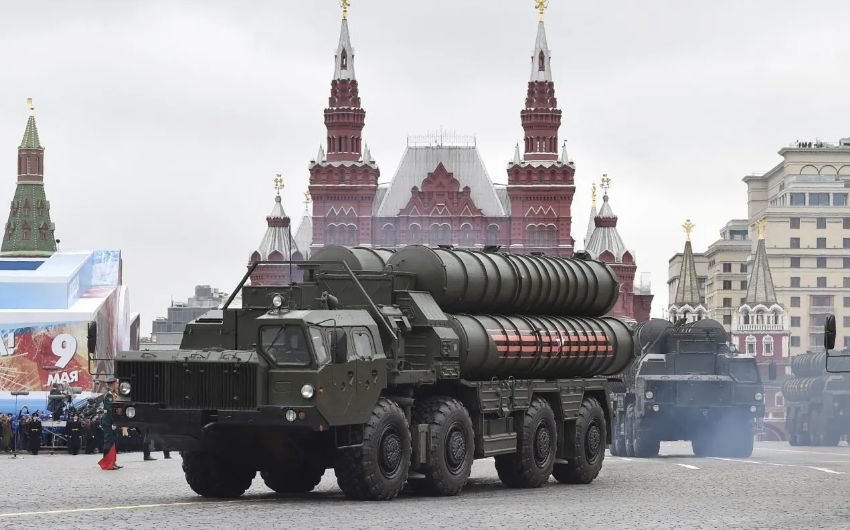
CAATSA, a 2017 U.S. law, allows sanctions on countries that make major arms purchases from Russia, Iran or North Korea. Washington invoked the law in 2020 to penalize Turkey’s defence industry after Ankara bought the Russian-made S-400 air-defence system, which U.S. and NATO officials say is incompatible with allied equipment and could compromise sensitive data from the F-35 stealth fighter jet.
As a result, the U.S. removed Turkey from the F-35 production and buyer program and imposed sanctions on Turkey’s Presidency of Defence Industries (SSB) and several senior officials, restricting certain exports and access to finance.
Turkey has long argued that the S-400 purchase was a sovereign decision taken only after years of failed talks to buy the U.S.-made Patriot system on acceptable terms. Ankara has repeatedly called the CAATSA measures unfair and has pressed to rejoin Western defence projects and secure new F-16 fighter jets and upgrade kits from the United States.
The emerging opening on sanctions coincides with signals from Washington that Turkey may be edging closer to addressing the F-35 dispute.
U.S. Ambassador to Turkey Tom Barrack said Turkey is moving closer to removing a key obstacle created by its S-400 acquisition as it seeks to rejoin the F-35 program, Bloomberg reported.
Speaking at a conference in Abu Dhabi, Barrack said Turkey had addressed the “operability” concerns surrounding the Russian system because the S-400s are not currently in use. However, he stressed that Turkey’s continued possession of the batteries remains a source of tension with Washington.
“My belief is that those issues will be resolved in the next four to six months,” Barrack said. Asked whether Turkey was getting closer to getting rid of the Russian system, he replied: “Yes.”
Turkey was expelled from the F-35 program in 2019 after taking delivery of the S-400 surface-to-air missile system from Russia, a step U.S. officials said violated U.S. law and threatened the secrecy of NATO technologies. The move triggered CAATSA sanctions that remain in place even as Ankara and Washington explore ways to repair defence ties.
Ankara has since lobbied to be reinstated, saying its removal from the program was politically motivated and detrimental to NATO’s collective defence. The issue has resurfaced amid reports of renewed contacts between the two governments on fighter-jet cooperation and wider defence-industrial projects.
Any sale of advanced U.S. military platforms, including F-35s or new F-16s, requires congressional approval, giving lawmakers strong leverage over the process at a time when both Israeli and Greek officials have voiced concern about Turkey’s potential return to the program or a significant upgrade of its air force.
U.S. officials have publicly said that any change to Turkey’s status would require a “clear and permanent” solution to the S-400 question. So far, Ankara has refused to dismantle, transfer or return the system, insisting it will not surrender what it sees as a strategic asset and symbol of its defence autonomy.
The question of how to handle the S-400s — whether by placing them under some form of controlled storage, transferring them to a third country, or finding another technical workaround — lies at the heart of current discussions, according to diplomats.
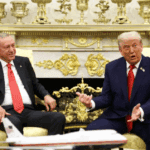
Trump and Turkish President Recep Tayyip Erdoğan last discussed the S-400 dispute in a meeting at the White House in September. At the time, Trump signalled flexibility, saying he might be open to allowing Turkey to rejoin the F-35 program and hinting that Erdoğan was “going to do something for us,” without providing details.