
A predawn counterterrorism raid in Yalova province on Monday, December 29, 2025, escalated into an hours-long gun battle that left three Turkish police officers and six suspected ISIL (Daesh) militants dead, according to Interior Minister Ali Yerlikaya.
Yerlikaya said police stormed a house near the village of Elmalık and came under fire. Authorities reported that eight police officers and a neighborhood watchman working with police were wounded. Five women and six children inside the house were evacuated safely, and the six militants killed were Turkish citizens, officials said.
The operation in Yalova reportedly lasted close to eight hours, with special forces deployed from nearby Bursa. Local measures during the standoff included road closures and temporary disruptions to utilities and schooling in the area, according to reporting that cited officials and local authorities.
Justice Minister Yılmaz Tunç said the Yalova Chief Public Prosecutor’s Office opened an investigation and assigned five prosecutors, while officials said multiple suspects were taken into custody.
The raid was part of a broader nationwide crackdown: officials said more than 100 raids were carried out across 15 provinces. The operation also came just days after Turkish authorities announced large-scale detentions of ISIL suspects over alleged plots targeting Christmas and New Year’s events.
Political reactions
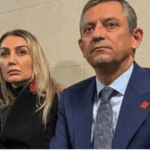
President Recep Tayyip Erdoğan issued condolences for the slain officers and vowed continued action against extremist threats “inside and outside” Turkey’s borders. Opposition figures also offered condolences and emphasized the threat posed by ISIL.
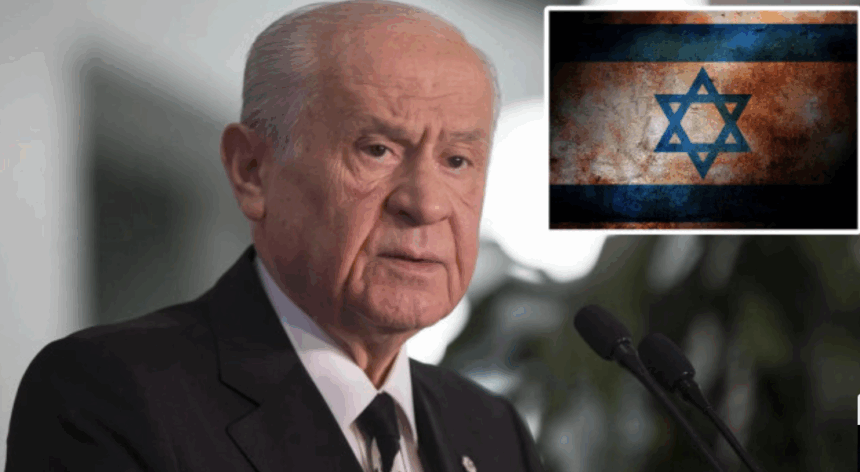
The sharpest political note came from Devlet Bahçeli, leader of the ultranationalist MHP and a pivotal Erdoğan ally, who described ISIL as “a stooge/pawn” of “Zionist-imperialist forces,” casting the Yalova clash as a provocation engineered by an unnamed hostile front to derail what the government brands a “terrorism-free Turkey” campaign.
That framing matters because it shifts the emphasis away from the operational question—how an ISIL cell entrenched itself domestically, armed, with women and children present—and toward a narrative of external orchestration. In practice, it can also blur accountability: if violence is presented primarily as a “staged” plot by outside actors, scrutiny of internal security gaps, radicalization pathways, and enforcement failures risks being treated as secondary—or even portrayed as aiding the “hostility front.”
Why this incident resonates
Turkey has faced repeated ISIL violence over the past decade, including the January 1, 2017, nightclub attack in Istanbul during New Year’s celebrations. Against that backdrop, the government’s renewed focus on potential holiday-period threats—followed by a deadly shootout during a raid—will likely intensify both public anxiety and political argument over whether Ankara’s broader “terrorism-free” messaging matches the security reality on the ground.