
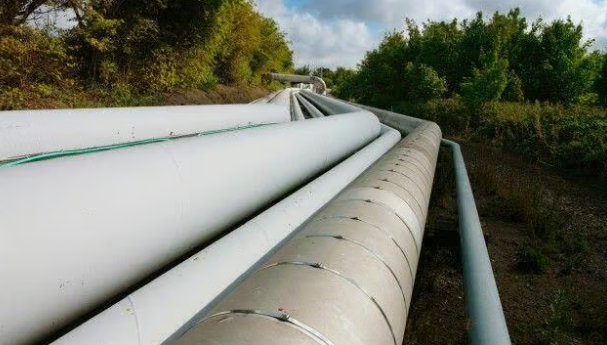
Turkey has proposed building a $1.2 billion military fuel pipeline to help supply NATO allies on the alliance’s eastern flank, according to a Bloomberg report published on May 15.
The proposed route would run from Turkey to Romania through Bulgaria, creating a land-based fuel corridor designed to support NATO’s military logistics in southeastern and eastern Europe. The project comes as the alliance seeks to strengthen its infrastructure after Russia’s war in Ukraine exposed the importance of rapid fuel supply, military mobility and resilient logistics networks.
Ankara’s proposal is also politically timed. Turkey is preparing to host the next NATO summit in Ankara on July 7–8, 2026, giving President Recep Tayyip Erdoğan’s government an opportunity to present Turkey as a central logistics and security hub for the alliance.
According to reports, the Turkish route could cost far less than alternative plans, including routes relying more heavily on maritime transport. Supporters of the Turkish proposal argue that a land-based route through Bulgaria and Romania would be less vulnerable to disruption and could provide NATO with a more secure supply line toward its eastern members.
The proposal fits into NATO’s broader effort to expand its fuel infrastructure. NATO already operates a pipeline system designed to ensure that petroleum products can be supplied when needed for alliance operations. Its Central Europe Pipeline System transports products including jet fuel, gasoline and diesel across parts of Western Europe.
The war in Ukraine has pushed NATO to rethink Cold War-era logistics networks and extend critical infrastructure further east. In recent months, NATO officials have called for pipeline expansion toward countries such as Poland, Romania, Finland and the Baltic states, arguing that fuel supply could become one of the most important challenges in a major conflict scenario.
For Turkey, the project would reinforce its argument that it remains indispensable to NATO despite frequent tensions with Western allies. By offering a route that connects the Black Sea region, the Balkans and NATO’s eastern flank, Ankara is seeking to position itself not only as a military ally, but also as a strategic energy and logistics corridor.
The proposal has not yet been finalized, but it is expected to be discussed ahead of or during the Ankara NATO summit. If approved, the project would mark a significant expansion of Turkey’s role in NATO’s eastern defense architecture.