
Turkish Airlines said it plans to begin scheduled flights to Ürümqi, the capital of China’s Xinjiang region, a move that Uyghur rights advocates warn could help Beijing promote a curated image of stability and tourism in a region long scrutinized over serious human rights abuses.
In a notice published on Turkey’s Public Disclosure Platform, the flag carrier said it would “start operating scheduled flights to Urumqi … subject to availability and market conditions.” The company did not specify a launch date, route frequency, or the timetable in the disclosure.
The announcement drew attention because Xinjiang has been at the center of international allegations involving mass arbitrary detentions, pervasive surveillance, forced labor, and policies that restrict religious and cultural life for Uyghurs and other predominantly Muslim minorities. In 2022, the UN Human Rights Office said the scale of arbitrary detention and broader rights restrictions in Xinjiang “may constitute” international crimes, including crimes against humanity—claims Beijing has repeatedly rejected.
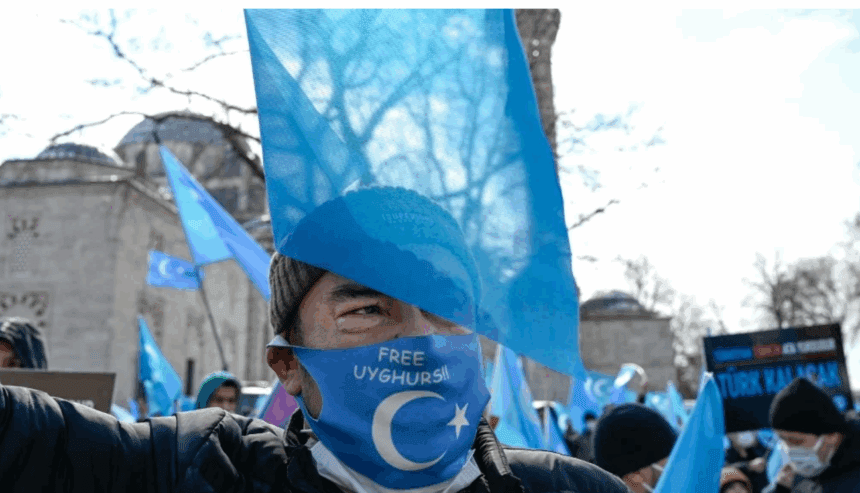
Uyghur advocates and researchers argue that tourism—and the growth of foreign commercial links—can serve China’s broader effort to “normalize” global perceptions of Xinjiang by showcasing tightly managed public spaces and prosperity while deflecting attention from reported abuses. The Washington-based Uyghur Human Rights Project has urged international companies to avoid activities that could help “sanitize” the situation, warning that high-profile foreign participation can reinforce Beijing’s messaging that life is normal and open for business.
Rights groups have made similar arguments about travel marketing. In late 2024, activists criticized China’s presence at London’s World Travel Market, warning that tourism promotion was pushing a carefully selected narrative and encouraging visits despite continued repression; some described such trips as “genocide tourism,” according to Radio Free Asia.
Xinjiang is home to the Uyghurs, a Turkic ethnic group that is mostly Muslim and has linguistic and cultural ties to Turkey. Over the past decade, Turkey has become one of the largest hubs for the Uyghur diaspora, but rights groups say Uyghurs there have faced growing pressure as Ankara’s relations with Beijing have expanded. In a November 2025 report, Human Rights Watch said Turkish authorities have increasingly used “restriction codes” to limit Uyghurs’ ability to regularize their residence status, and that some Uyghurs detained in deportation centers reported pressure to sign “voluntary return” forms.
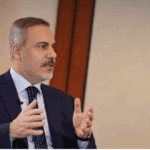
Turkey’s diplomacy on the issue has also come under scrutiny. During a June 2024 trip to China, Turkish Foreign Minister Hakan Fidan visited Xinjiang, including stops in Ürümqi and Kashgar. He described the cities as “Turkic and Islamic,” while the World Uyghur Congress urged him to raise rights concerns and not become “a tool” for Chinese propaganda, according to reporting at the time.
China denies wrongdoing in Xinjiang and has portrayed its policies as necessary for counterterrorism and development, while rejecting international allegations—including recent concerns raised by UN experts about forced labor practices.