
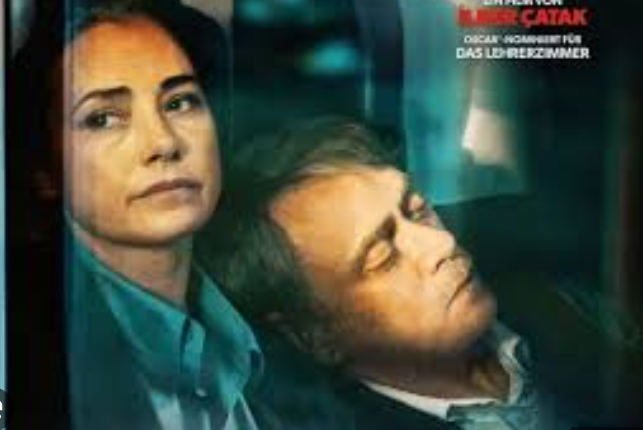
A Turkish-language political drama set in Turkey took the top prize at the 76th Berlin International Film Festival, with “Yellow Letters” (“Sarı Zarflar”) winning the Golden Bear on February 21, 2026. The film, directed by İlker Çatak, follows a married actor and playwright whose lives are upended after the husband is targeted by the state over online political criticism. Festival coverage described the story as a broader warning about authoritarian language and democratic decline, not just a Turkey-specific story.
The Turkish presence was even stronger with Emin Alper’s “Salvation” (“Kurtuluş”) receiving the Silver Bear Grand Jury Prize, giving Turkish-linked films the festival’s top two major honors. Turkish-language coverage emphasized that the awards placed Turkey-centered narratives at the heart of the festival, while also highlighting the political symbolism of both films’ themes.
In Turkish coverage, Alper’s acceptance speech drew particular attention because he directly named jailed opposition figures in Turkey, including Osman Kavala, Selahattin Demirtaş, and İstanbul Mayor Ekrem İmamoğlu, and extended solidarity to imprisoned mayors and their voters. He also voiced support for Palestinians in Gaza, people in Iran, and Kurds in Rojava and the wider Middle East, framing the speech as a message against silence in the face of repression.
The political climate around the festival had already intensified earlier in the week. Turkish reporting highlighted visible pro-Palestinian symbolism at Berlinale events, including filmmakers wearing watermelon and Palestinian flag pins, and noted the backlash to comments by jury president Wim Wenders about not entering “the field of politics.” Turkish coverage also noted that the remarks triggered strong criticism and contributed to a wider controversy around the festival.
That controversy deepened when an open letter signed by more than 80 actors, directors and other film figures called on the festival to take a clear stance on Gaza. During the awards ceremony, the tension peaked again when Abdallah Al-Khatib, accepting an award for “Chronicles From the Siege,” accused Germany of being complicit in what he called genocide in Gaza, prompting a walkout by a German minister. The incident capped what festival coverage described as an unusually politicized Berlinale.
Beyond the politics, the awards list included several major wins for other films and performers: Sandra Hüller won a top acting prize for “Rose,” “Queen at Sea” picked up multiple awards, and Grant Gee won Best Director for “Everybody Digs Bill Evans.” Festival remarks at the closing also stressed that cinema and activism should be seen as allies rather than rivals, underscoring the event’s broader debate over art, politics and public speech.
Turkish coverage also quickly shifted to what comes next domestically: “Kurtuluş” is scheduled for release in Turkey on March 6, 2026, and “Sarı Zarflar” on March 27, 2026, extending the Berlinale spotlight into the Turkish theatrical calendar